Elephant 3 Appliqué Sewing Pattern
First Impressions of Elephant 3 Appliqué Sewing Pattern
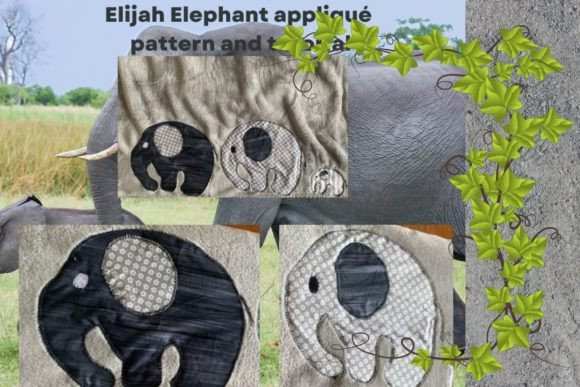
The Elephant 3 Appliqué Sewing Pattern immediately catches the eye with its charming and versatile designs. Featuring three distinct elephant illustrations, this pattern offers a mix of bold and cute elements that can appeal to a wide range of customers. The raw edge appliqué style gives it a rustic, handmade feel that fits well in a craft fair booth or on an Etsy shop.
As a professional embroidery designer, I find the design to be both visually appealing and practical. It has a soft, friendly aesthetic that makes it ideal for products like tote bags, aprons, and tea towels. The overall look is modern yet approachable, making it a great fit for farmhouse, minimalist, and decorative styles.
Best Applications for Elephant 3 Appliqué Sewing Pattern
When considering where Elephant 3 Appliqué Sewing Pattern would stand out, it’s clear that it works well on larger items such as tote bags, market bags, and pillow covers. These products allow the design to be the focal point, drawing customer attention and creating a strong visual impact at a craft fair booth.
For smaller items like embroidered patches, caps, and fabric pouches, the design can still shine if used as a subtle accent. However, care must be taken to ensure that the details remain visible, especially on curved surfaces or dark fabrics. Tea towel embroidery and apron embroidery also offer excellent opportunities, as the design can be scaled appropriately without losing its charm.
As a DIY wild animal pattern, it’s perfect for handmade product displays. Customers are often drawn to unique, animal-themed items, and the elephant design adds a touch of personality that can elevate any product line.
Practical Selling and Production Points
One of the key factors in determining whether a design will sell is how easy it is to understand at a glance. Elephant 3 Appliqué Sewing Pattern is straightforward and recognizable, which is a big plus for craft fair sellers. Its clean lines and minimal details make it suitable for both beginners and experienced embroiderers.
The design can work as a small accent or a large focal point, depending on the product. For example, on a tote bag design, it can be the main feature, while on a cap or patch, it can serve as a subtle detail. This flexibility increases its value as a machine embroidery design.
Photographing the design for online listings is another important consideration. The raw edge appliqué style may not always translate perfectly in photos, so using high-quality images and printable mockups is essential. A well-shot image can significantly boost buyer engagement and increase sales potential.
Batch production is also a factor. If the design is repeatable and consistent, it can be produced efficiently for commercial embroidery or small shop product lines. However, the stitch density and complexity should be reviewed carefully to ensure that it doesn’t cause issues during mass production.
Careful-Use Notes for Elephant 3 Appliqué Sewing Pattern
While the design is generally user-friendly, there are some areas that require attention. Dense stitch areas may cause problems on certain fabrics, especially textured towels or thick materials. Tiny details could be lost when working on dark fabrics or small sizes, so testing on different materials is recommended.
Curved cap surfaces can be challenging for any appliqué design, and the elephant shapes may not sit perfectly on rounded edges. Small lettering, if present, should be checked for clarity at various scales. Additionally, the design may lose some of its definition when reduced in size, so scaling should be done thoughtfully.
For embroidery file users, ensuring the correct hoop size and stabilizer type is crucial. Without proper support, the design may pucker or shift during stitching. Thread colors should be chosen based on the fabric color to maintain visibility and contrast.
Impact on Visual Appeal and Customer Engagement
Elephant 3 Appliqué Sewing Pattern adds significant visual appeal to any product it's applied to. Its friendly, expressive elephants create a sense of warmth and character, which can make a big difference in a busy craft fair setting. Customers are naturally drawn to animals, and this design offers a fresh take on a classic theme.
From a brand consistency perspective, this pattern can be a valuable addition to a collection of handmade products. It supports a cohesive aesthetic while offering enough variation through the three different designs. This helps in building a recognizable brand identity that appeals to a broader audience.
For booth display strength, having a few key pieces with this design—like a standout tote bag or a beautifully embroidered tea towel—can attract attention and encourage customers to explore other items. It also enhances the handmade quality of the products, reinforcing the value of each finished product.
Embroidery Designer Notes for Success
Before finalizing any production, I recommend testing the design on scrap fabric to assess how it looks and feels. Checking thread contrast is essential to ensure the design stands out against the background fabric. Reviewing the spacing between elements can help prevent overcrowding, especially on smaller items.
Confirming the hoop size needed for the design is important for efficient stitching. Some designs may require multiple hooping steps, which can affect production time. Inspecting the stitch density ensures that the design is neither too sparse nor too dense, which can impact durability and appearance.
Using the right stabilizer is critical, especially on delicate or stretchy fabrics. Creating at least one real mockup before mass production allows for adjustments and improvements. Comparing fabric colors and testing on different materials can help identify the best options for each product type.
Finally, as an Etsy seller or digital seller, it’s important to confirm the commercial licensing terms before selling finished products. This ensures that the design can be used freely without legal issues, providing peace of mind for both the designer and the customer.