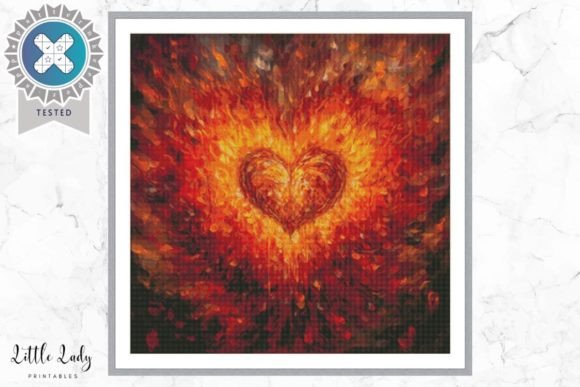
Heart Cross Stitch Pattern PDF
A Craft Fair Designer’s First Look: Bold, Timeless, and Booth-Ready
As someone who’s stitched over 200 craft fair displays—from Portland to Nashville—I opened the Heart Cross Stitch Pattern PDF expecting charm. What I found was something sharper: a confident, clean, and quietly versatile heart motif that reads instantly at 3 feet. It doesn’t shout “cute” or lean hard into rustic or modern—it lands in that sweet spot: elegant but approachable, minimal but expressive. That’s gold for handmade markets. Customers scanning your booth don’t pause for nuance—they lock onto clarity, warmth, and craftsmanship. This design delivers both.
Where It Shines: Real Products, Real Booth Traffic
In my weekend setup—tote bags stacked upright, aprons draped over a ladder shelf, tea towels folded beside embroidered pillow covers—the Heart Cross Stitch Pattern PDF performed strongest on three items: small fabric pouches, tea towel embroidery, and embroidered patches. Why? Because its balanced proportions (implied by the 14-count fabric guidance) scale beautifully from 2” to 5” without distortion. On a linen tea towel, it anchors the corner with quiet authority—no competing florals needed. As a patch sewn onto a denim tote or canvas market bag, it adds handmade credibility without overwhelming. And on a pouch? It’s the perfect focal point: legible, stitch-rich enough to feel premium, but not so dense it slows production.
It also works well on aprons—especially bib-style designs where the heart sits just below the neckline—and as a subtle accent on pillow covers (centered on a corner or tucked near a seam). For caps? Use caution: the heart’s clean outline helps, but curved surfaces demand careful hooping and stabilizer choice—more on that below.
What Makes It Sell Online and In-Person
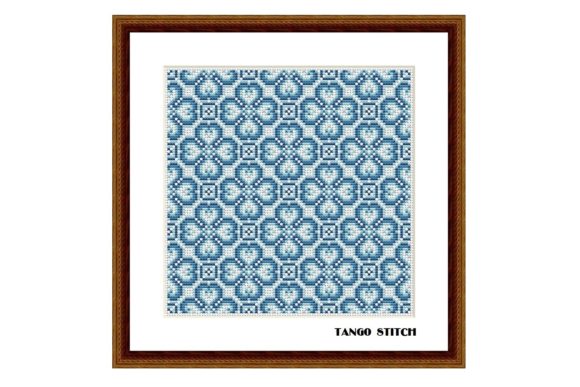
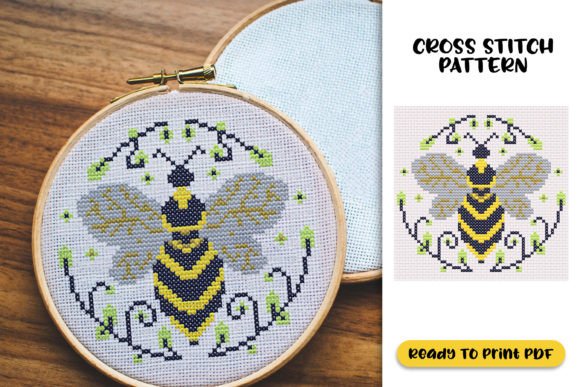
The Heart Cross Stitch Pattern PDF is built for conversion. The included Pattern Mockup lets Etsy sellers generate polished, lifestyle-ready listings in minutes—not generic swatches, but realistic renders on fabric. That matters. Buyers scroll fast; a mockup showing the heart on a cream tea towel beside a ceramic mug stops them. The Black & White Symbol Chart and Symbol Key mean no decoding delays—critical when you’re stitching 12 samples before Friday’s fair. And the Floss Usage Summary saves real time: no guesswork on DMC counts, no last-minute thread runs to the craft store.
This isn’t just a cross stitch pattern—it’s a streamlined design asset. Whether you’re prepping for a local boutique drop or uploading to your digital shop, the clean structure supports batch production. You can stitch 10 matching pouches in an evening because the chart flows logically, spacing is consistent, and symbol repetition is intuitive. No tiny lettering. No micro-details that vanish on textured toweling. Just one strong, repeatable shape—executed with precision.
Design Notes Every Embroidery Business Owner Should Know
Before cutting fabric or listing on Etsy, run these checks:
- Test on scrap first—especially if using dark fabric. Contrast is everything; verify your chosen floss pops against your base cloth.
- Review stitch density in the symbol chart. While not overly dense, the heart’s interior curves may cluster stitches. On thick or napped fabrics (like heavy canvas or terry cloth), consider light backing or tear-away stabilizer to prevent puckering.
- Confirm hoop size compatibility. The design fits comfortably in a 4”–5” hoop—ideal for most small-shop production—but double-check your machine’s max area if adapting for commercial embroidery.
- Photograph thoughtfully. This design photographs exceptionally well: crisp lines, high contrast, and natural symmetry make it Instagram- and Pinterest-friendly. Use natural light and a neutral background to highlight texture and thread sheen.
- Always confirm commercial licensing. Since this is a digital embroidery file sold as a Graphics product, verify usage rights before selling finished goods—especially if scaling across platforms like Etsy, Amazon Handmade, or wholesale accounts.
Careful-Use Scenarios: When Simplicity Needs Strategy
The Heart Cross Stitch Pattern PDF avoids common pitfalls—no fine script, no gradients, no fragile stems—but context still matters:
- Textured towels: Linen or waffle-weave tea towels add visual interest but can blur fine edges. Opt for slightly larger stitch counts (e.g., 11-count Aida) or adjust tension to keep outlines sharp.
- Curved cap surfaces: The heart’s smooth contour helps, but avoid placing it too close to the bill seam. Use adhesive + cutaway stabilizer, and test on a cap blank before committing.
- Small sizes: Below 1.75”, detail softens. Stick to 2”+ for patches or pouches to preserve clarity.
- Dark fabric: The black-and-white chart assumes light-to-mid fabric. On navy, charcoal, or black, choose high-contrast floss (e.g., bright white, metallic silver, or bold red) and verify visibility in person—not just on screen.
Why This Pattern Strengthens Your Brand and Booth
In a sea of glitter, florals, and maximalist motifs, the Heart Cross Stitch Pattern PDF offers quiet confidence. It signals intentionality—not just “handmade,” but well-made. That elevates perceived value on every product: a $28 tote feels like a keepsake; a $16 tea towel becomes a wedding gift staple; a $12 patch reads as collectible, not disposable.
For your booth display, it creates cohesion. Use it across three product types—say, a linen pouch, a cotton apron, and a set of matching napkins—and customers subconsciously register your line as curated, not scattered. That consistency builds trust. And for digital sellers? Its clean, scalable nature means one design fuels multiple listings: printable mockups, social banners, even simple SVG adaptations for Cricut users (if licensed).
Bottom line: The Heart Cross Stitch Pattern PDF isn’t flashy—but in handmade markets, authenticity, clarity, and ease of execution sell more than novelty ever will.